Featured custom build
Jamie Glaser’s JG guitars.
This build became more difficult than it ever should have been. There were several versions, a finish I could not see clearly, a disagreement over the pickups, and a few months where everybody involved was tired of the whole thing. We got through it, Jamie and I got along just fine afterward, and the final version became one of the best guitars I made.
How it started
The Digitech connection.
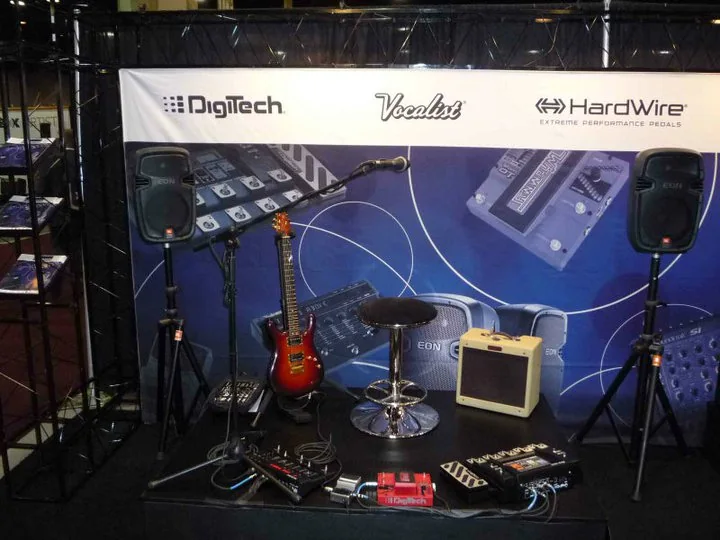
Jamie and I had a mutual contact at Digitech. That connection led to a conversation about building a signature guitar for him. One of my OPS guitars had already been used in the Digitech booth at NAMM, so the idea did not come completely out of nowhere.
I did what I normally did and looked for something about the person that could become part of the guitar. Jamie was an animal lover and a genuinely caring guy. I could not force a pentagram, sex, drugs and rock and roll idea onto him because it would have been fake. He was also playing a lot of jazz and fusion with Jean Luc Ponty, so the guitar needed to feel softer, classier and more versatile.
The first version
Baby blue was not the answer.
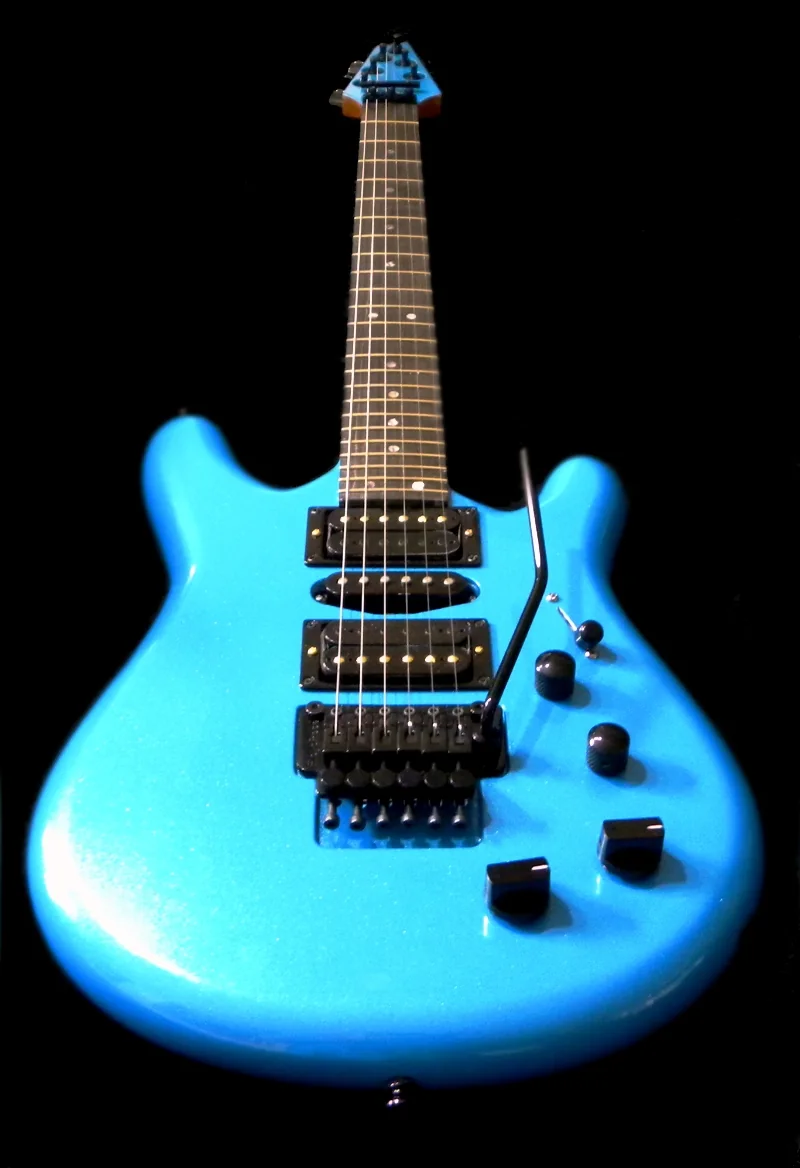
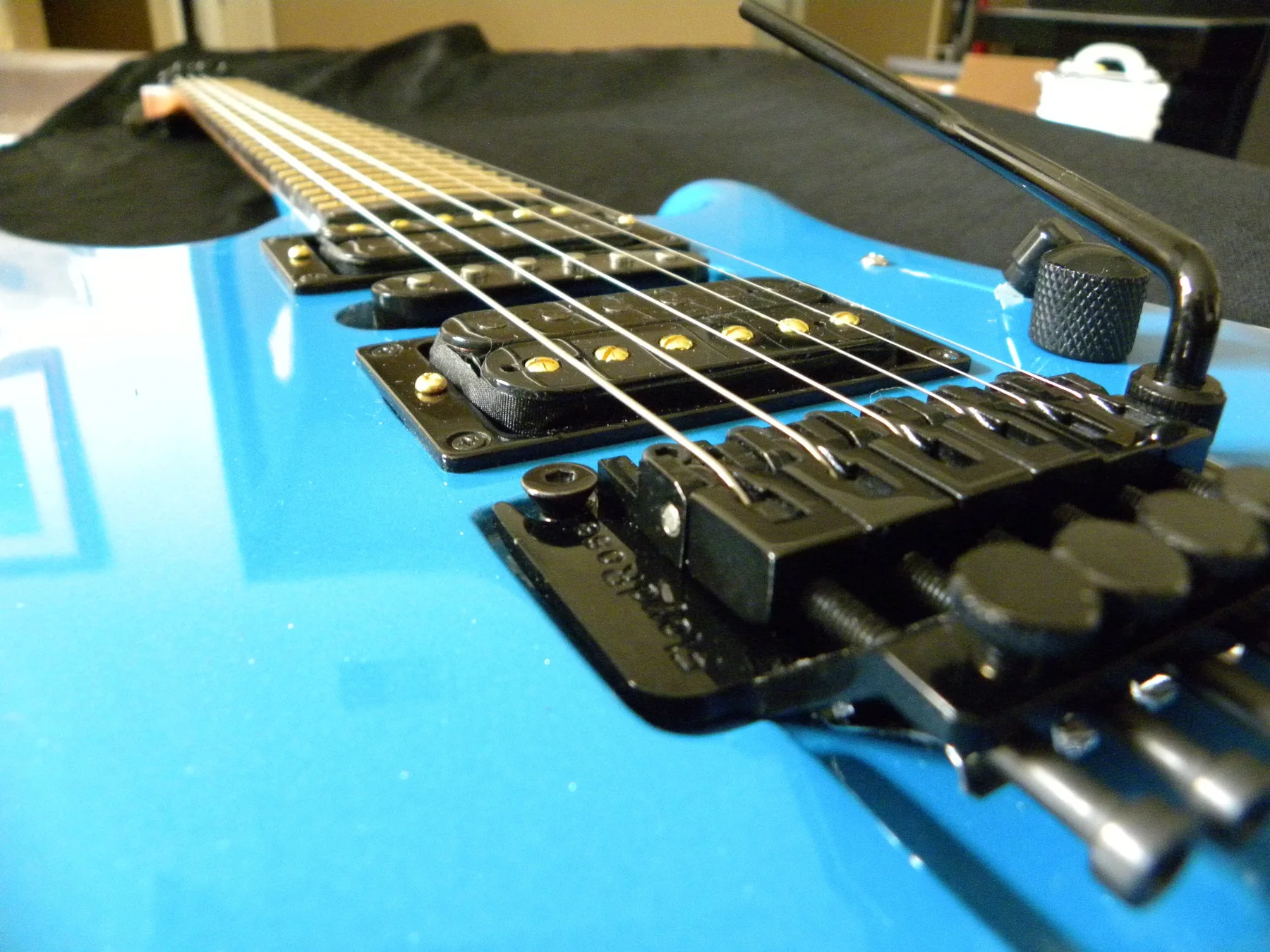
I started with my OGS and added the kind of flexibility Jamie needed for the number of styles he played. The first finished version was baby blue. I thought he would like it. He did not care for the color and suggested a different direction, so it was back to the drawing board.
The version that came back
My eye told me the finish was fine. It was not.
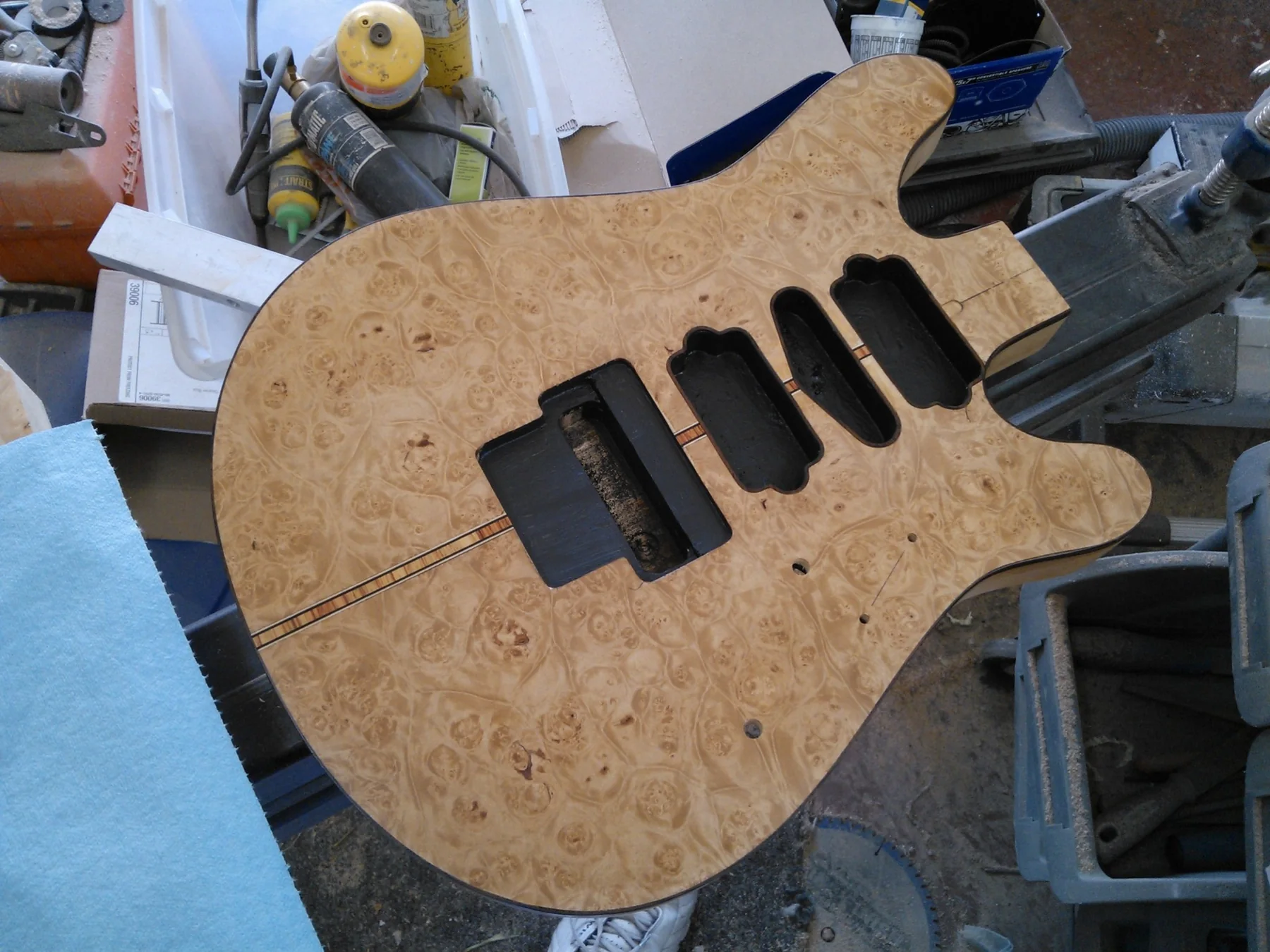
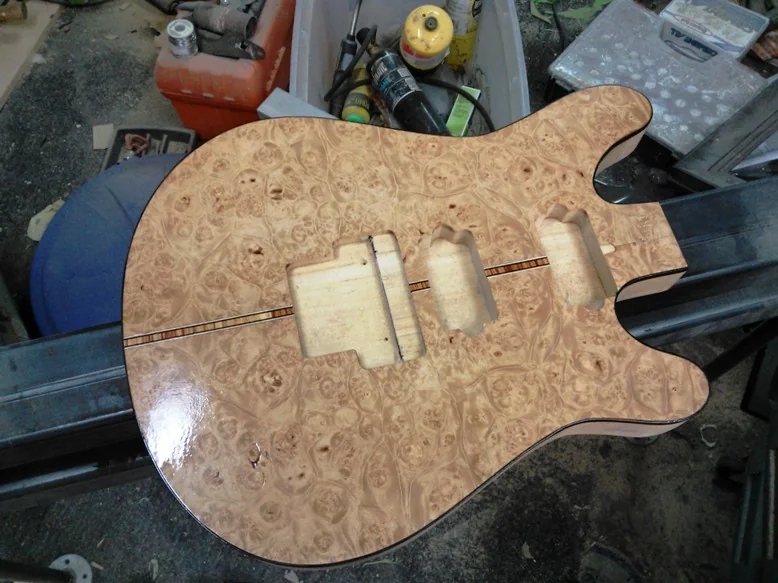
The next direction used burl veneer with more character and a stripe running through the center. That design became the foundation for the JG 2.0. The version I sent through our mutual contact was finished with a red burst, but the buffing was not good enough and I was criticized pretty hard for it. The point being made was that I complained about corporate garbage, then presented this as the better option.
At the time I was recovering from optic neuritis, which had damaged my left eye considerably. What looked acceptable to me was not acceptable. That was frustrating on its own, and pretending it did not bother me would be a lie. The guitar came back and I started again, this time using flamed maple instead of burl while keeping the center stripe from the original idea.
The JG 2.0
Red burst, purple edge, and finally a direction Jamie liked.
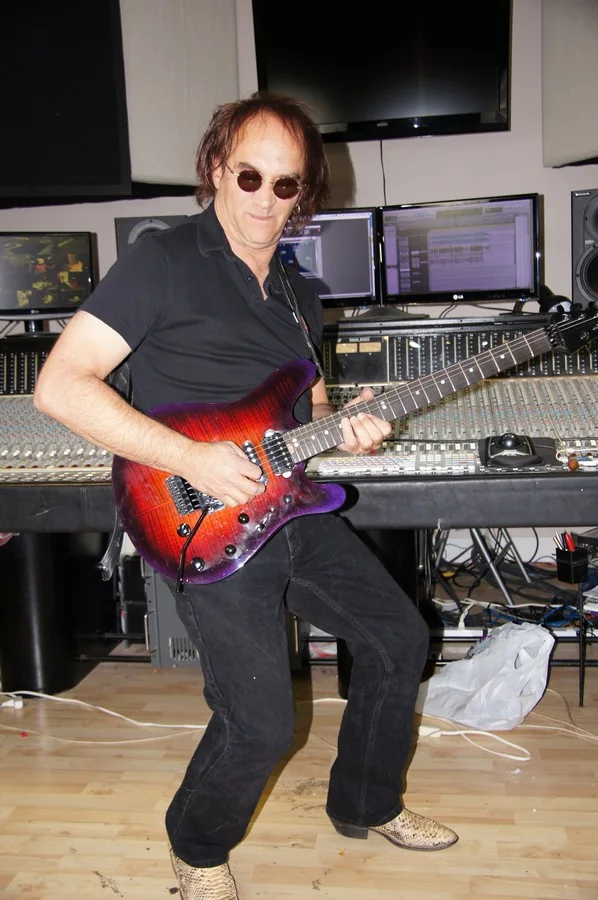
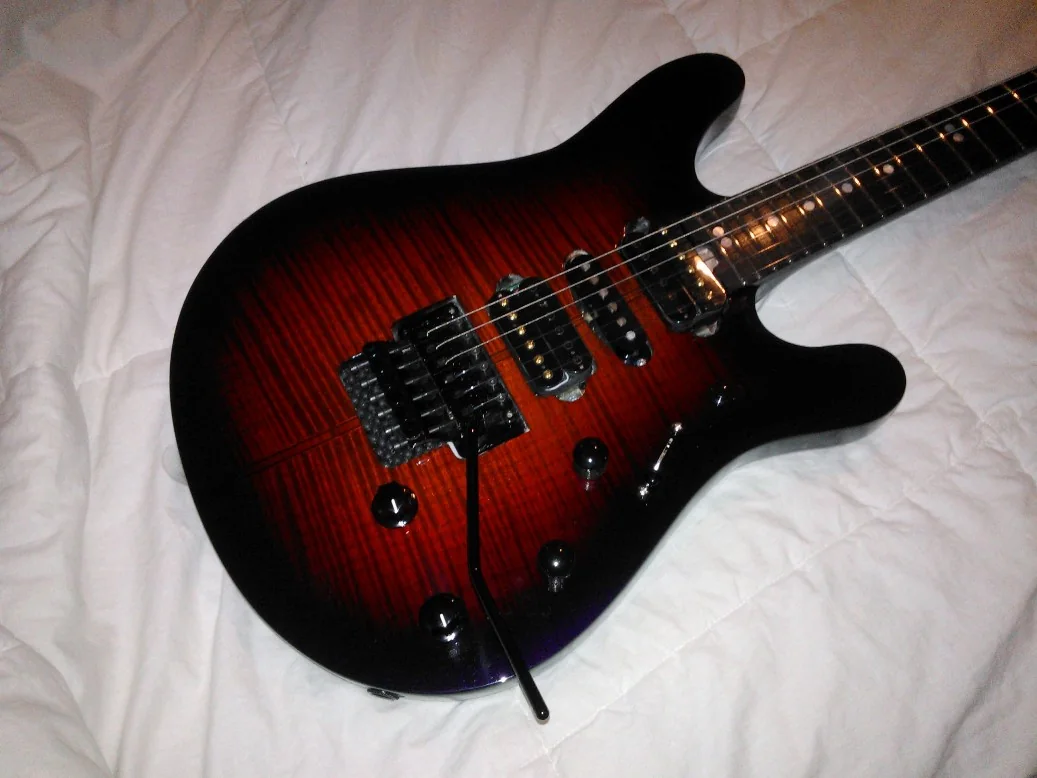
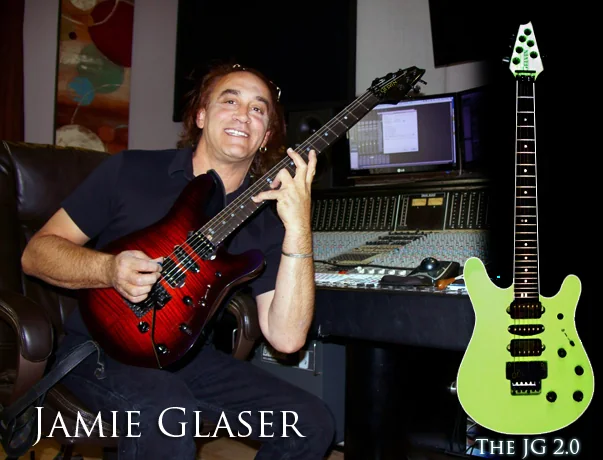
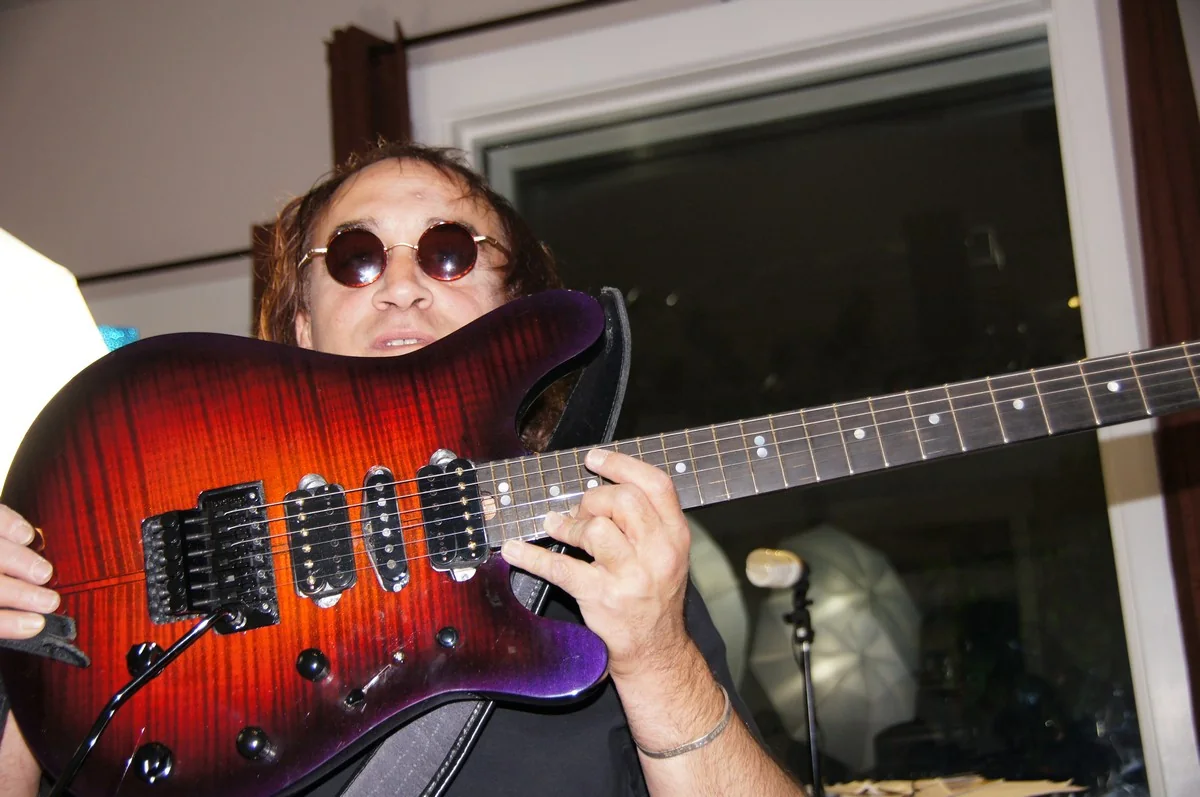
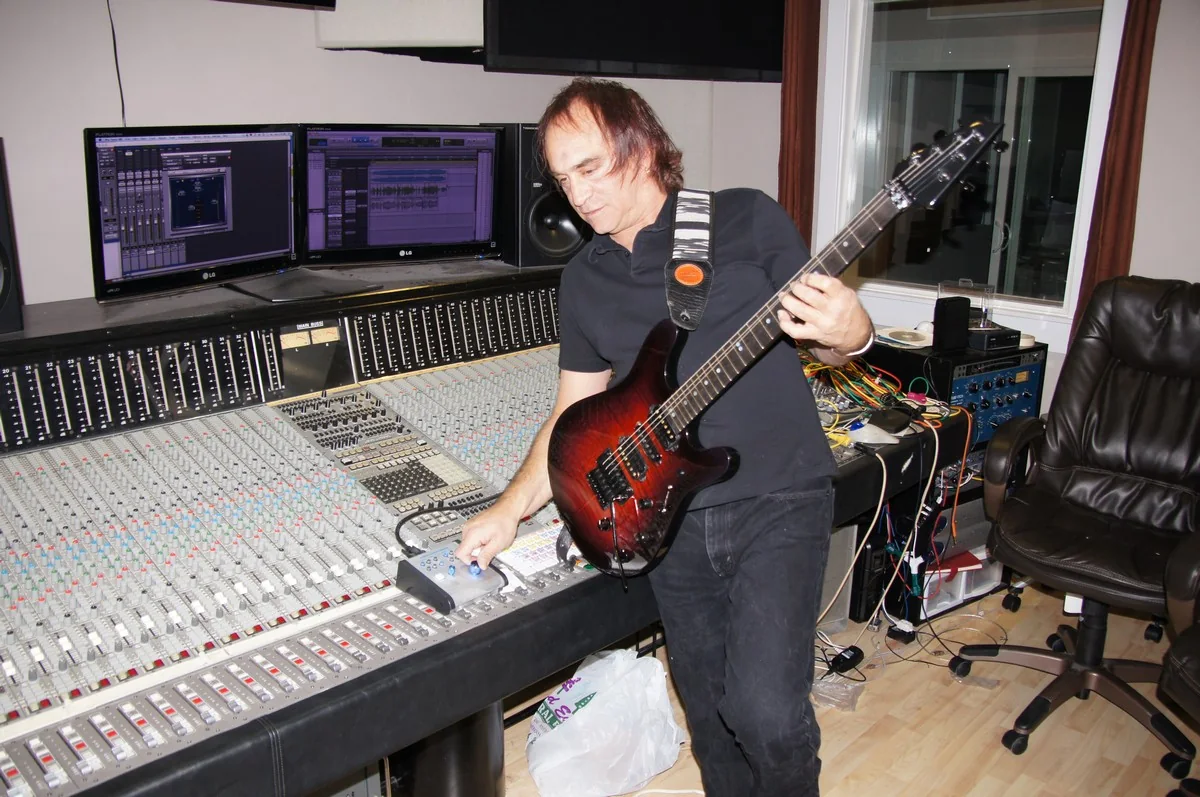
The final JG 2.0 used a red burst over flamed maple with a purple outer edge, while keeping the center stripe from the earlier burl design. Jamie liked this one. He sent me photographs I could use for advertising, and those became part of how the JG 2.0 was presented.
The pickup argument
Then I called him a diva.
The guitar had my VIP pickups in it. Jamie was playing through a modeler, which can shape different guitar signals toward the same result and hide some of the differences the pickups are supposed to produce. He told me the pickups did not work and he was upset about it.
I emailed him, called him a diva, and asked whether he had plugged into a tube amp or a modeler. He admitted it was a modeler. Then he tried the guitar through a tube amp and changed his mind about the pickups.
He told our mutual contact that I had called him a diva, which I had. Tension was high on every side during those couple of months, and none of us were making the process easier. Once the guitar was sorted out and the pressure was gone, Jamie and I got along just fine. It was a rough build, not a lasting feud.
The glow version
Jamie wanted something that stood out more onstage.
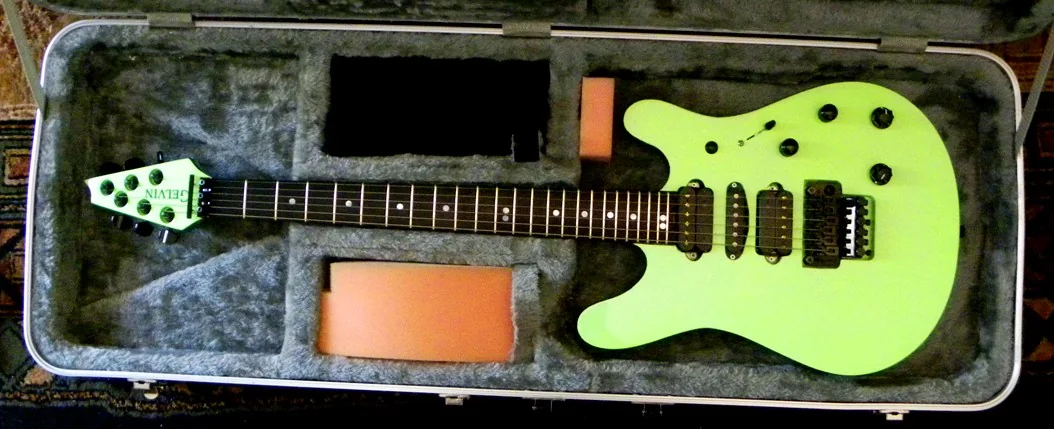
Later, Jamie said he wanted something that stood out more onstage. I told him I could use the same glow in the dark type of finish I had used on other guitars. The JG 2.0 came back and was refinished in the solid green glow color it has today.
Jamie can be seen playing the JG 2.0 before that change, and later using the glow version during a concert with Jean Luc Ponty.
The JG 3.0
This was the one where I finally outdid myself.
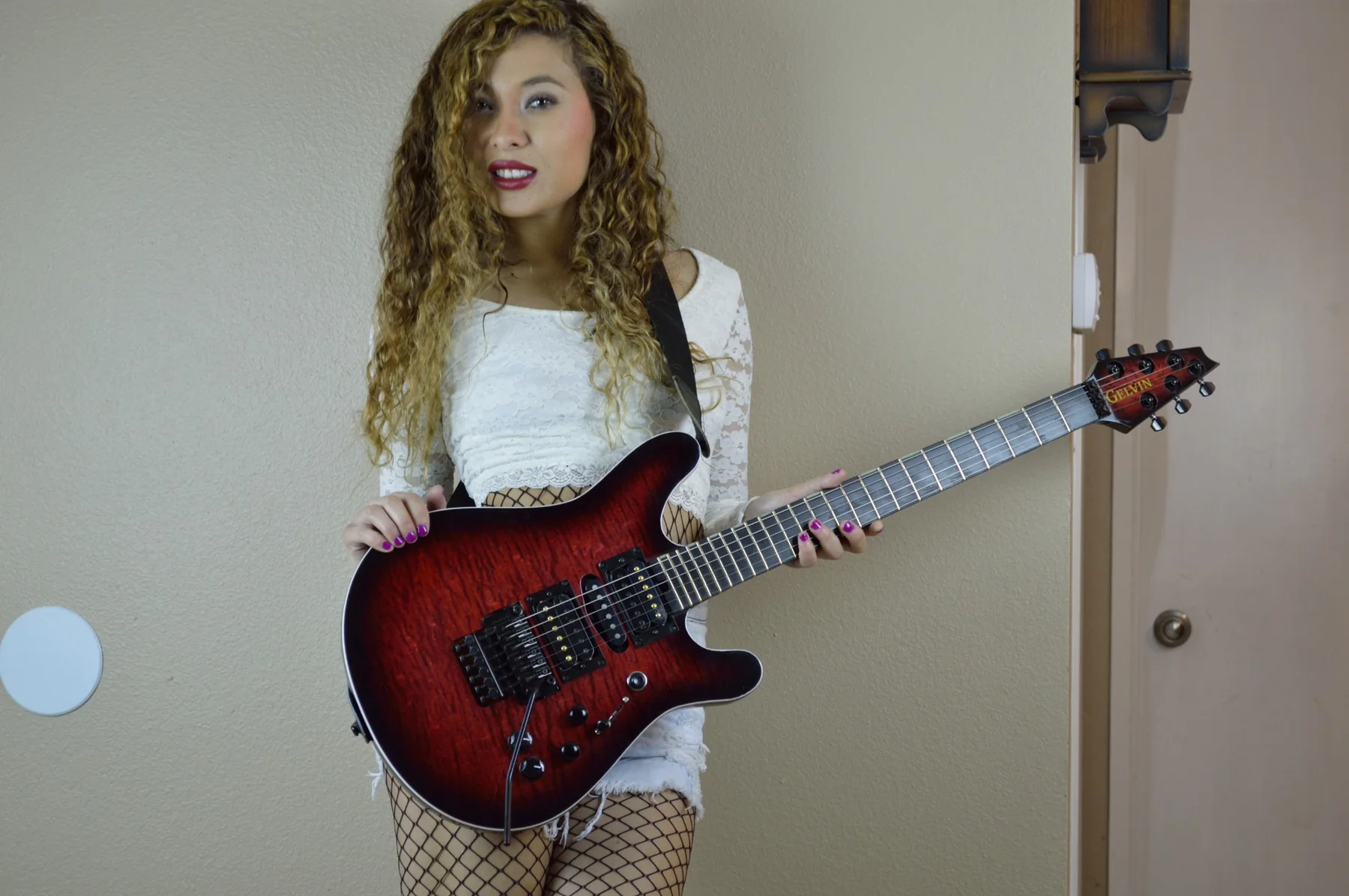
I was never completely happy with how the earlier versions turned out, so I wanted to do one more. That became the Gelvin JG 3.0. This one had everything and was beautiful. It was the version where the concept finally reached the level I had been trying to get to from the beginning.
The JG 3.0 was close to going mainstream before multiple sclerosis took another hit at me. Fewer than five were made.
How the advertising was made
Carolyne, the JG 3.0, a room full of lights, and Photoshop.
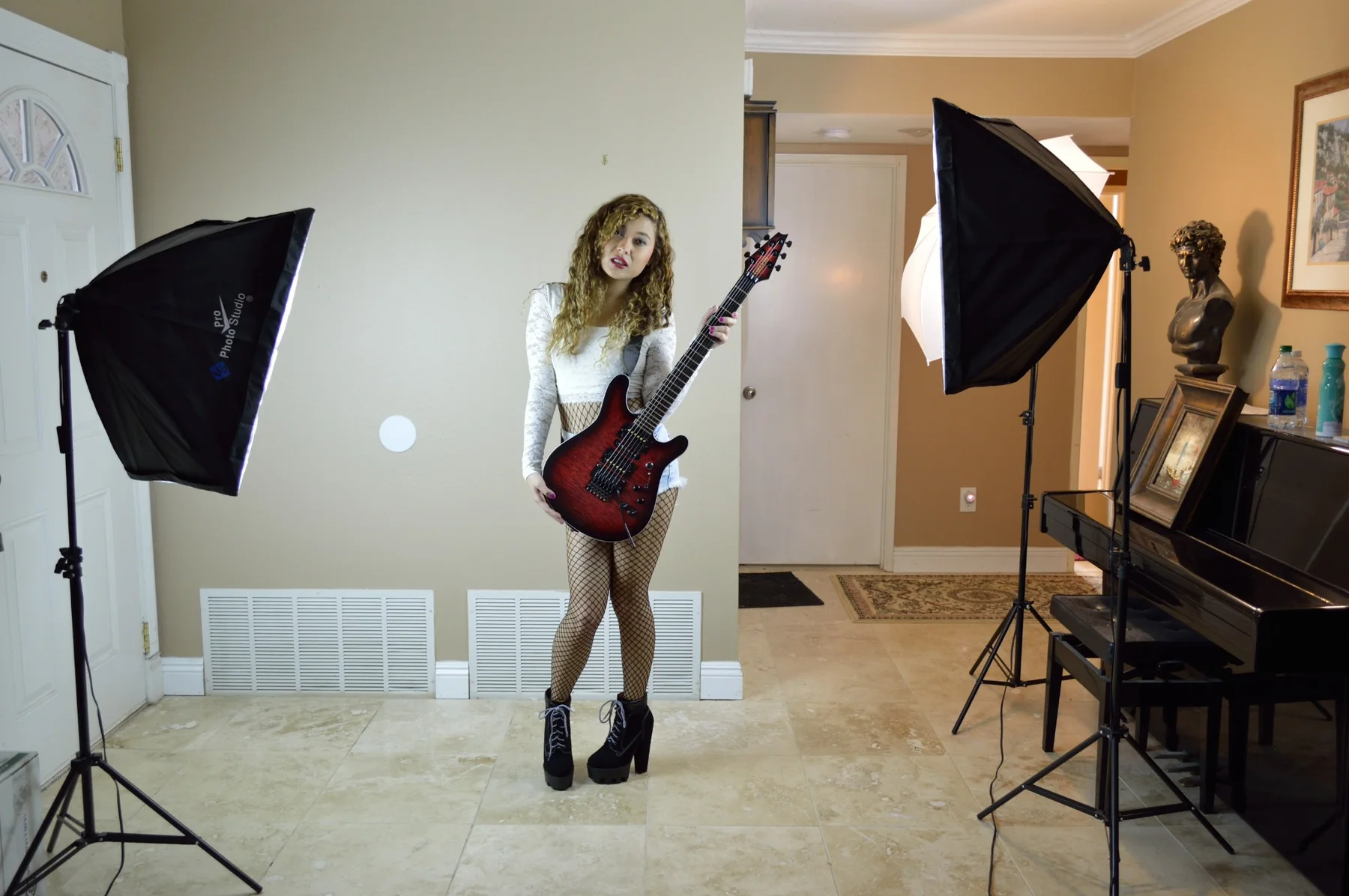
I photographed my model Carolyne holding the JG 3.0 so people could see the guitar with a person and understand its scale. The wider photographs also show what was outside the finished advertisement, light stands, soft boxes, the room, and everything that Photoshop eventually removed.

Some builds are difficult because the work is difficult. This one was difficult because everything around the work became difficult too.